
Not Just Better Tasting Coffee (Though, Yeah, It Definitely Is)
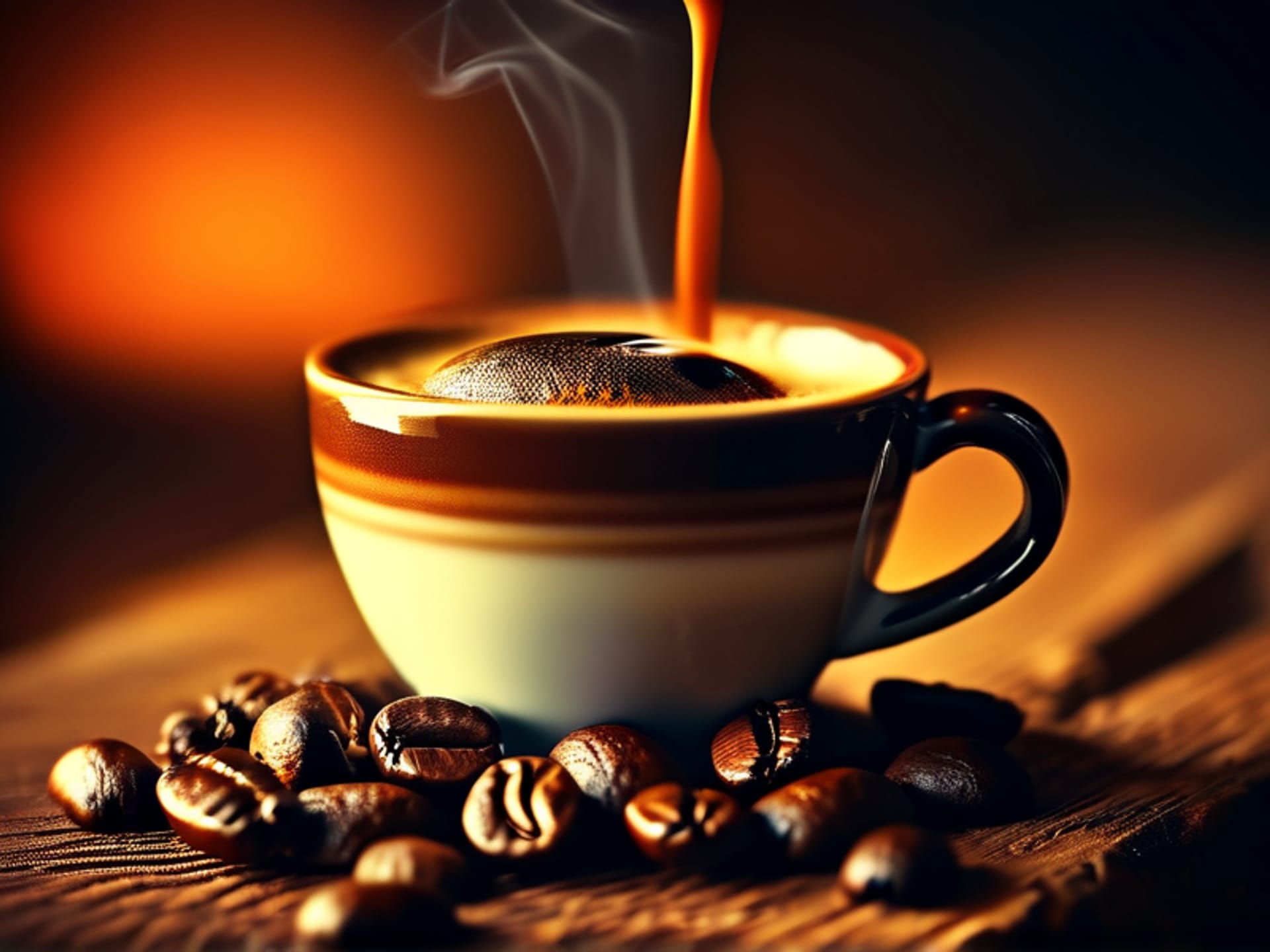
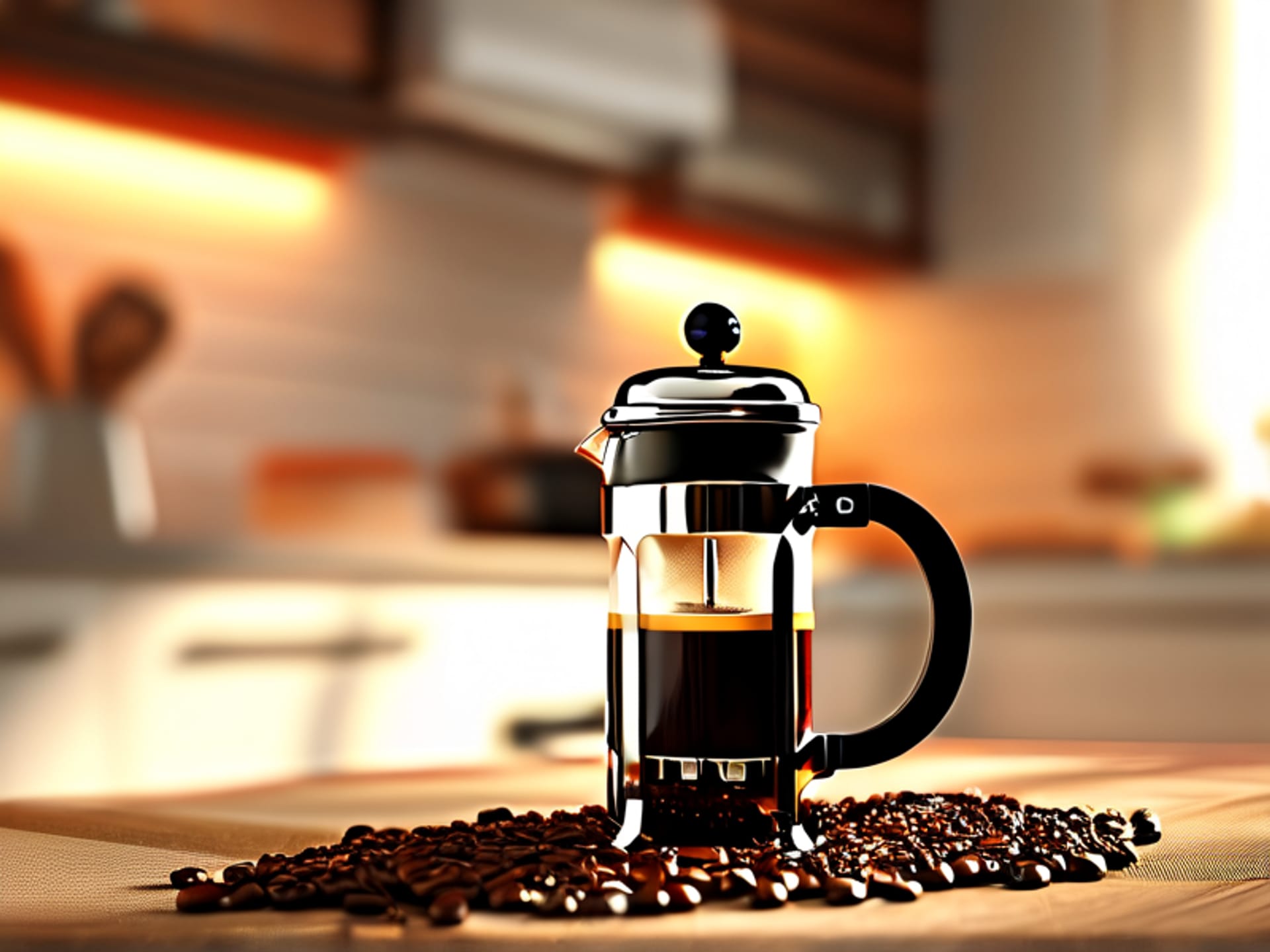
Let's cut through the noise. Specialty coffee isn't a fancy marketing term. At its core, it's coffee that's been graded and scored high enough to be considered exceptional. Think of it like wine. You've got your basic table wine, and then you've got the good stuff from a specific vineyard. One quenches a thirst. The other makes you pause and actually *taste* something. That's the goal here.
The Scorecard: How Coffee Gets an "A+"
Here's the nitty-gritty. Beans are graded by certified professionals (called Q Graders) on a 100-point scale. They check for everything: aroma, flavor, acidity, mouthfeel, aftertaste, and the absence of defects. Score 80 or above? Congratulations, you're specialty coffee. Below that is "commodity" or "commercial" grade. This system is brutally objective. It's not about what a big company's brand manager thinks will sell. It's about the actual, measurable quality in the cup.
This is Coffee That Actually Tastes Like a Fruit
Here's where the magic happens for beginners. Taste a generic cup of coffee. It probably just tastes like... "coffee." Maybe bitter, maybe roasty. Now, a great specialty coffee can taste like blueberries. Or jasmine. Or dark chocolate and orange zest. Seriously. This variety comes from the coffee’s origin (country, region, farm), the specific varietal of the plant, and how it was processed after picking. It's a revelation.
It's About the Chain, Not Just the Bean
Specialty coffee is also a mindset. It's called the "Third Wave." The first wave was just making coffee available (think instant). The second wave was about the coffee shop experience (think your big chain lattes). The third wave treats coffee as an *artisan product*, like craft beer or gourmet chocolate. It cares intensely about every single link in the chain: the farmer's livelihood, sustainable growing, transparent sourcing, skilled roasting, and precise brewing.
How to Actually Give it a Try (No Pressure)
Too often, this world feels intimidating. Don't let it. You don't need a $500 machine. Start by finding a local cafe that roasts its own beans. Skip the complicated drink. Just ask for a black coffee of the day, or a single-origin pour-over. Ask the barista what it tastes like. Then, just sip it. That's the whole homework assignment. You might love it. You might not. But at least you'll know what all the fuss is *actually* about.