

That White Crust on Your Car? It's Worse Than You Think.

You know the look. That thin, dusty, white film that coats your car all winter. It seems harmless, right? Just a bit of grime to wash off. Here's the thing. It's not dirt. It's a chemical corrosion machine. Road salt is brutal. It sticks to your paint, holds moisture against the metal, and starts a quiet war against your car's clear coat and, eventually, the steel underneath. That "harmless" crust is the first step toward rust bubbles in your fenders. Ignore it at your own peril.
Your Winter Washes Can't Be Lazy
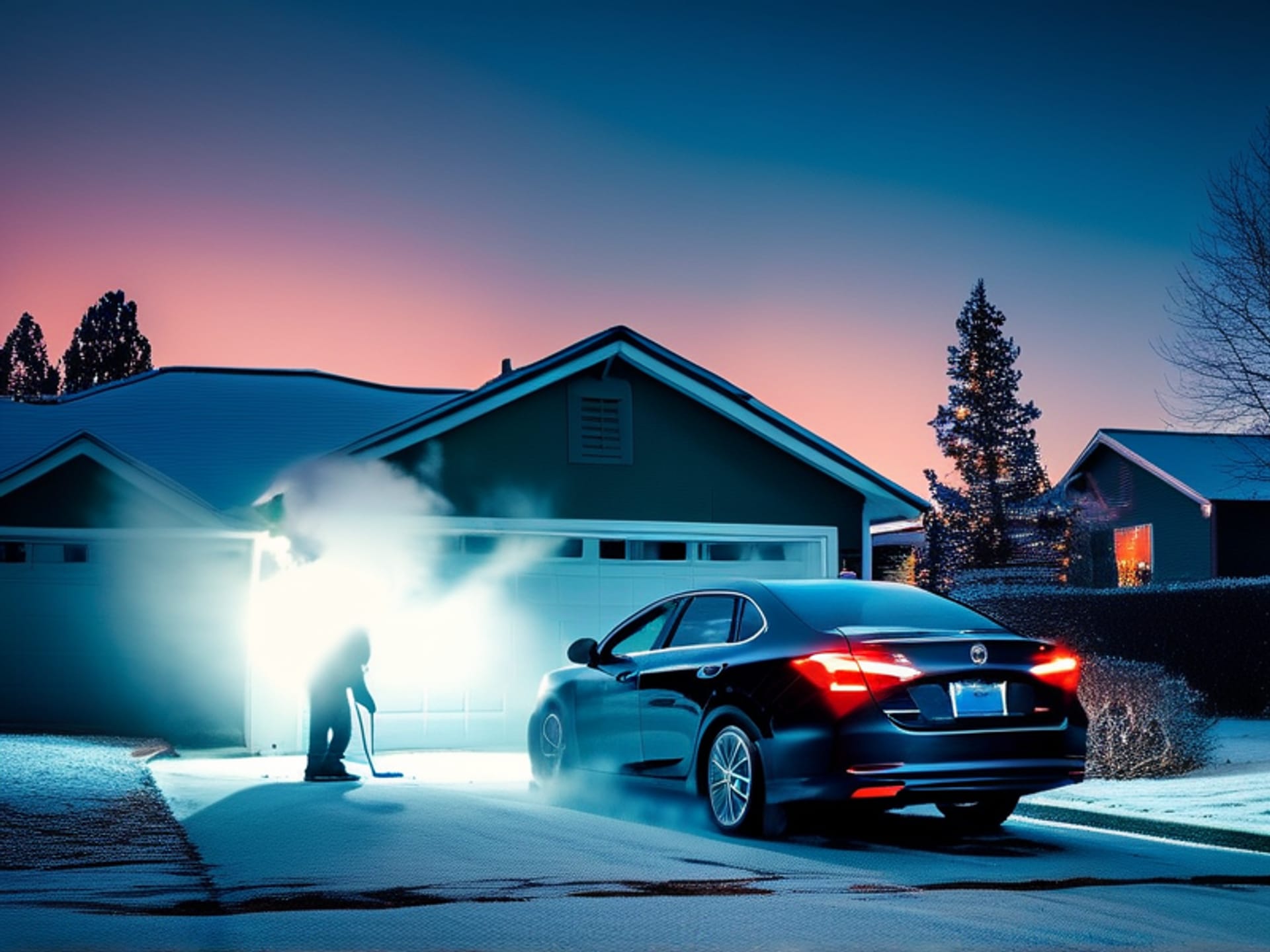
Automatic car washes are great in summer. In winter? They're just a quick rinse. The enemy—the salt—hides underneath, in the wheel wells, along the rocker panels. A manual wash is non-negotiable. You've got to hit the undercarriage. I mean blast it. Find a touchless wash with an undercarriage spray, or invest in a decent attachment for your hose. Lukewarm water is key; hot water can crack cold glass, cold water just freezes. The goal is to physically remove the salt, not just swish it around.
Wax Isn't a Suggestion, It's Your Paint's Armor
Think of a good coat of wax or a synthetic sealant as your paint's raincoat. It creates a hydrophobic barrier. Water (and salty slush) beads up and rolls off. It doesn't get a chance to sit and seep. Apply a serious layer before the first snowfall. I prefer a ceramic spray sealant for durability. It takes an afternoon. It's not glamorous. But it's the single best thing you can do to buy your paint time against the salt onslaught.
Don't Forget the Plastic and Rubber
We obsess over metal, but salt eats everything. Your black plastic trim? It'll fade to a chalky, ugly gray. Your rubber door seals? They'll dry out, crack, and start leaking. It looks terrible and compromises your car. Twice a season, clean those plastics and apply a UV-protectant trim restorer. Wipe down rubber seals with a protectant. It keeps everything looking sharp and, more importantly, functioning.
The Nuclear Option for Rust Prone Areas
If you plan to keep your car for a decade and live in the Salt Belt, listen up. An oil-based or rubberized undercoating is a game-saver. This isn't a DIY can-of-goop from the auto parts store. I'm talking about a professional application where they thoroughly clean the undercarriage first, then spray a creeping, protective layer on every nook and cranny of your frame. It's an investment. For a new car, it's brilliant preventative care. For an older car, it can stop existing surface rust dead in its tracks. It’s the ultimate shield.
Spot the Enemy Early: The Spring Thaw Check
When the snow finally melts and you're doing that first proper wash, get down on your knees. Look at the inside of your door edges, the bottom of the trunk lid, the seams where panels meet. These are the places rust starts. If you see a tiny bubble or a speck of orange, that's your early warning system. Touch it up immediately with primer and paint. Letting it go for one more season is how you get a hole you can stick your finger through. Be obsessive for five minutes. Save yourself a thousand-dollar repair later.