Bean There, Spilled That: Our Shared Pour-Over Woes
Alright, let’s ditch the coffee-snob pretense. You stood there, kettle in hand, full of hope. You ended up with a cup that's sour, bitter, or just...sad. We’ve all been there. That fancy gear didn’t come with a magic wand. But here's the good news: most bad pour-overs come from a handful of totally fixable screw-ups. Let’s talk about them. No jargon, just fixes.
The Ghost Bloom: Don't Skip the Coffee's First Gasp
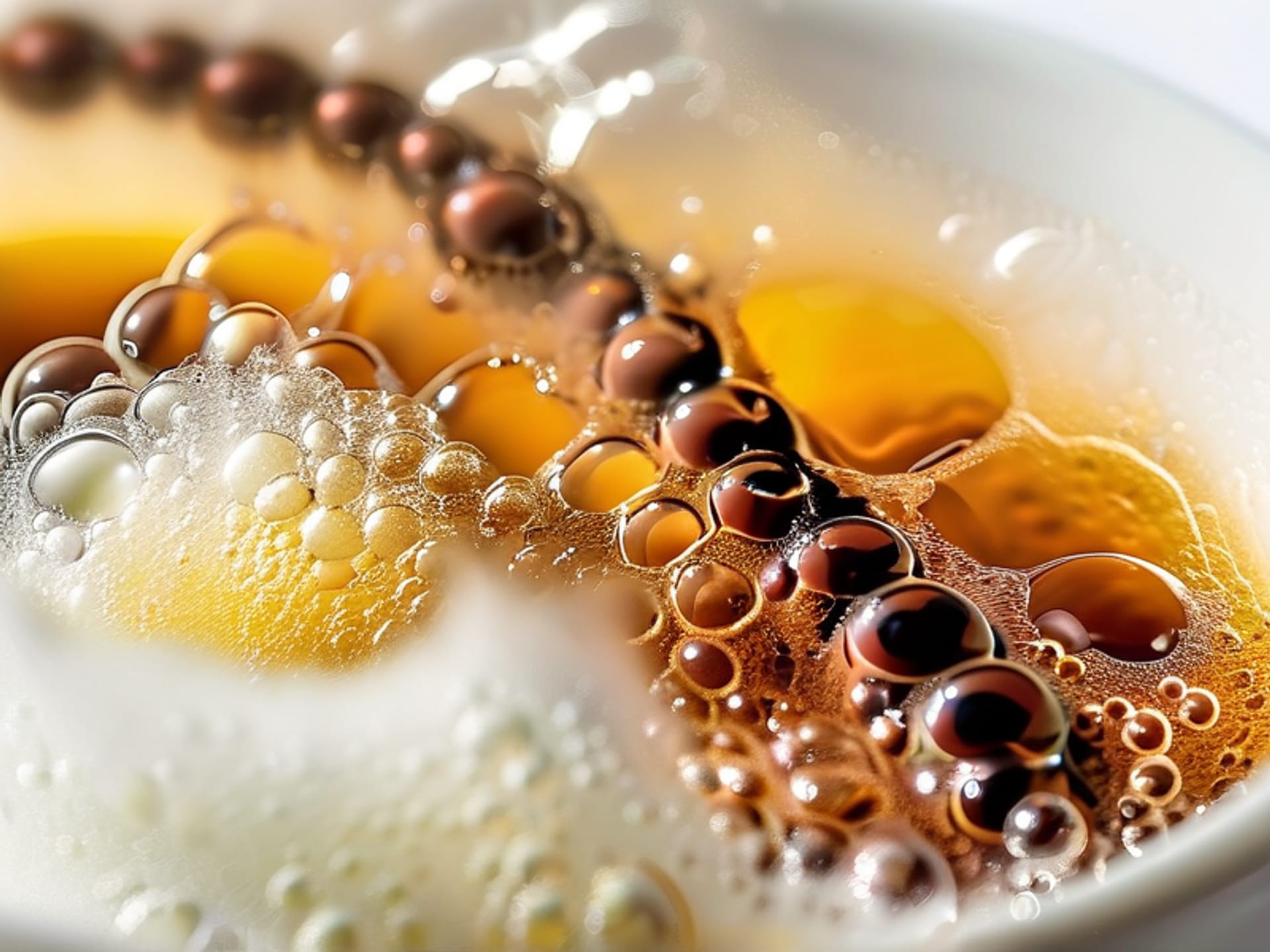
You pour a little water, it bubbles and foams, and you think...neat, now for the real water. Stop. That first 30-45 seconds isn't a ritual. It's mandatory. Those old gases trapped in the bean? They repel water. If you don't let them escape in the "bloom," your water just slides around stale gas instead of touching coffee. The fix is stupid simple: use just enough water to wet all the grounds (about twice the coffee's weight), wait for it to stop puffing up, then go. It's the coffee waking up. Let it.
Channeling: Your Coffee's Secret Escape Route
This is the big one. Channeling. Sounds technical. It's just a crack. When water finds the path of least resistance—a hole you made by pouring in one spot, or grounds clumped together—it zips right through. It over-extracts that one tiny channel (bitter!) and under-extracts everything else (sour!). The result? A confusing, awful cup. Your enemy here is a lazy pour. Don't just dump water in the middle.
Pour Like a Zen Garden Rake, Not a Firehose
Here's the thing. Your gooseneck kettle isn't for show. It's for control. You need to be a gentle rain shower, not a thunderstorm. Start from the center and slowly spiral out, then back in. You're aiming to evenly wet ALL the grounds, agitating them just enough to prevent dry clumps. No volcanic craters. No waterfallsdirectly onto the filter paper. Just a slow, steady, deliberate pour that keeps the bed flat and level. This is how you murder channeling.
The Grind: Too Fine, Too Coarse, Too Inconsistent
Your grinder might be the problem. Pre-ground? It's probably stale and inconsistent. A cheap blade grinder? It makes dust and boulders. The dust over-extracts fast (bitter), the boulders under-extract (sour). See a pattern? Invest in a decent burr grinder. It’s the single biggest upgrade you can make. For pour-over, you want a consistency like coarse sand, not powder, not pebbles. If your brew takes forever and tastes bitter, go coarser. Too fast and sour? Go finer. Adjust.
Wet the Filter, Then Heat the Whole Damn Vessel
This one's easy to forget. Paper filters taste like...paper. A quick rinse with hot water washes that taste away. But do more. Rinsing pre-heats your entire brewer and carafe or mug. Hot water hitting a cold ceramic V60? That's a temperature nosedive your extraction can't recover from. You want stable, high heat from start to finish. So rinse thoroughly. Let the hot water sit in the carafe for a minute. Dump it. Then start your brew. It's a 30-second habit that makes a real difference.