Where Does Your Coffee Actually Come From?
You wouldn't eat a steak without knowing if it's ribeye or sirloin. So why drink coffee so cluelessly? Forget the supermarket tub. Real coffee has a passport. It comes from a specific place, with a story. Think of it like wine. The soil, the climate, even the direction of the sunlight. It all gets cooked into that little bean. Your morning cup isn't just a beverage; it's a travel brochure.
Single-Origin: The Coffee Purist's Choice
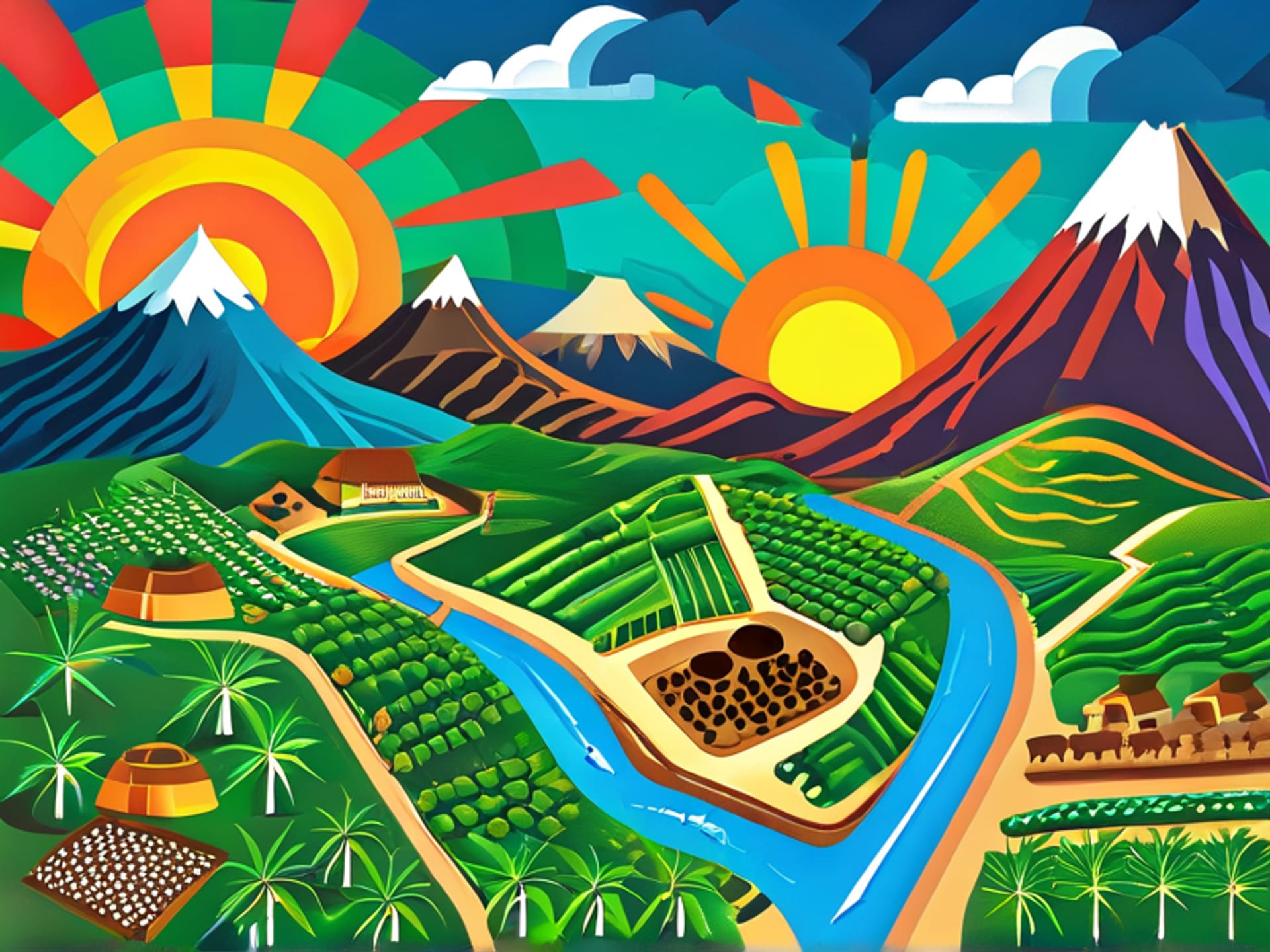
This is coffee at its most honest. Single-origin means every bean comes from one place. One country. Sometimes even one specific farm. Why does this matter? Because you're tasting *that place*. A single-origin Ethiopian might taste like blueberries and jasmine tea. A Guatemalan might hit you with chocolate and roasted nuts. It’s pure, unadulterated character. You get to explore. But here's the thing: it's also inconsistent. Bad weather that year? You'll taste it. It’s the raw, unfiltered voice of the land. For better or worse.
What Is a Blend? The Art of the Mixture
Blends get a bad rap from coffee snobs. That’s a mistake. A blend isn't the cheap leftover beans. It's a crafted recipe. A skilled roaster takes beans from different origins and combines them to create something new. Think of it like a chef making a perfect sauce. Need brightness? They add a fruity Ethiopian. Need a heavy, chocolaty base? A Brazilian bean goes in. The goal? Consistency. That fancy cafe you love? Their "house blend" tastes the same in July as it does in December. That's the magic. It's reliable, balanced, and often more approachable.
The Big Regions: A Quick Flavor Tour
You don't need to memorize a hundred farms. Start with the big three. **Latin America** (Colombia, Brazil, Guatemala): Think balance. Chocolate, nuts, caramel. A gentle, welcoming cup. **Africa** (Ethiopia, Kenya): This is where coffee gets wild. Expect fruit. Berries, citrus, even winey notes. It's bright and complex. **Asia-Pacific** (Sumatra, Papua New Guinea): Earthy and heavy. Spices, cedar, dark cocoa. A full-bodied, punch-in-the-mouth kind of coffee. See? Already you sound like you know what you're doing.
Which One Should *You* Drink?
Stop overthinking it. Are you curious and adventurous? Go single-origin. Buy small bags from different regions. Taste test. It's a fun, cheap way to travel. Do you just want a damn good, reliable cup every morning without any surprises? Find a solid blend from a local roaster you trust. There's no "best." Only "what's best for you right now." And that can change by the hour. The real trick is to start paying attention. Your taste buds will thank you.