

Think That -20°F Windshield Wiper Spray is Gonna Work? Think Again.
You know the sound. You're running late, your windshield is a mess of road grime, and you pull the lever. A pitiful, frozen *splutter* is all you get. Now you're driving half-blind, swearing at the sky. Here's the thing: winter doesn't just make you cold. It turns your car's vital fluids into useless sludge if you're not prepared. It's not just inconveniences—it's a flat-out safety hazard. Let's avoid that. We're gonna look under the hood like it's a quick health check. No jargon. Just getting it done.
Your Engine's Lifeblood (Hint: It's Not Just Oil)
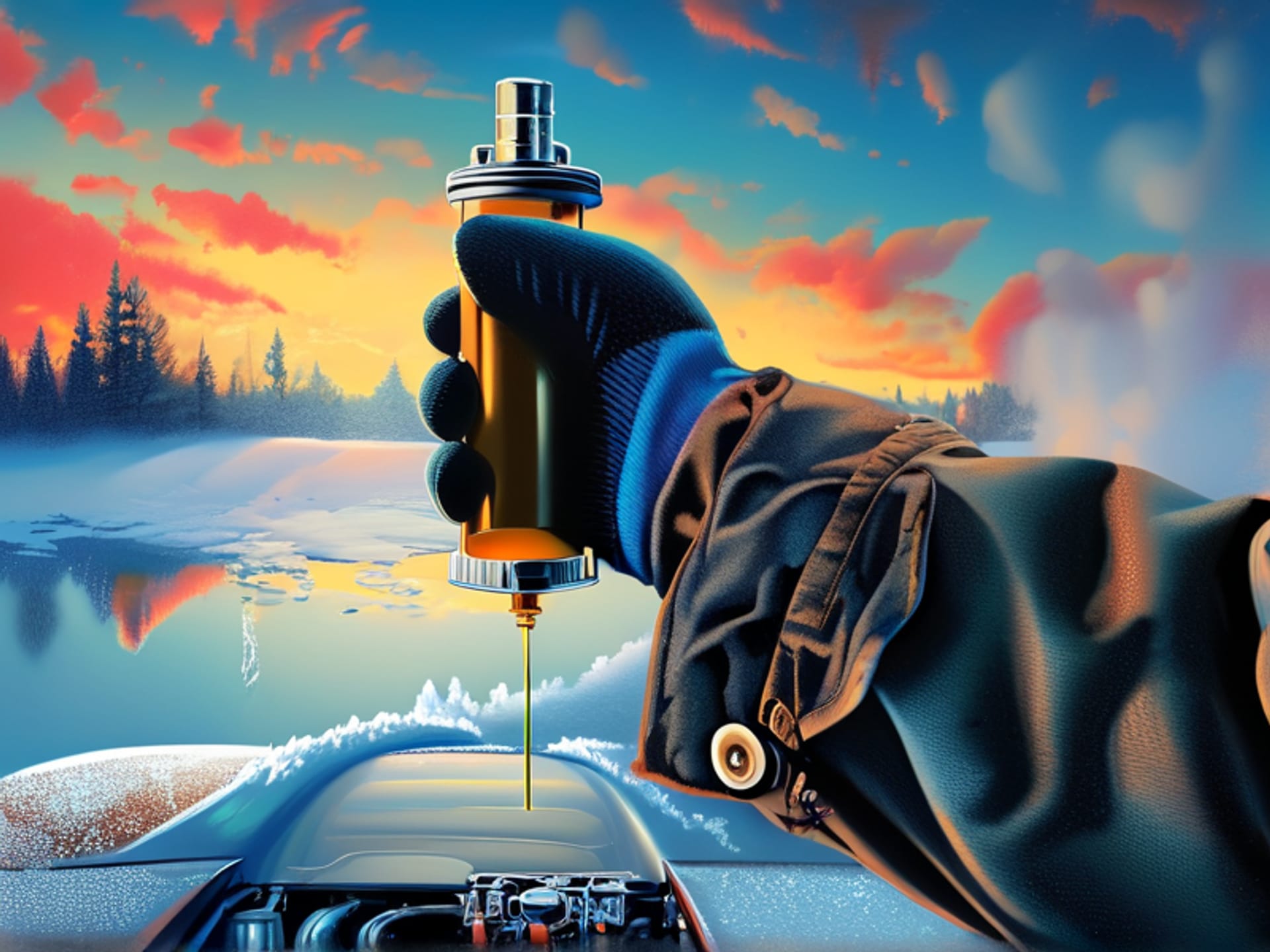
Motor oil. Get this: cold weather thickens it. Makes your engine work way harder on startup, which is when most wear happens. Park on level ground, engine off and cool. Pop the hood, find the yellow dipstick. Pull it, wipe it clean, push it all the way back in. Pull it again. The oil should be between the two marks. See that? If it's near or below the "MIN" line, time for a top-off. Check your manual for the right grade. Using the wrong oil in winter is like wearing dress shoes in a blizzard. Bad idea.
Anti-Freeze Isn't a Suggestion. It's a Shield.
That colorful liquid in your radiator? It's not just water. It's coolant, and it has two jobs: prevent freezing and prevent boiling. If it's weak, your engine block can literally crack from ice expansion. Not cheap. Find the plastic overflow tank (usually marked). The fluid level should be between the "MIN" and "MAX" lines when the engine is cold. If you need to add, use a 50/50 pre-mix. Don't just add water. You'll dilute the protection. And seriously, never open the radiator cap when the engine is hot. That's a recipe for a scalding geyser. Been there, don't want that.
Windshield Washer Fluid: Your Winter Visibility Lifeline
This one's easy to mess up. Summer fluid is mostly water. In freezing temps, it becomes a block of ice in your lines. The fix is stupid simple. Buy the stuff labeled for freezing temperatures, like -20°F or -30°F. It's usually a bright blue color. Pop the cap (sometimes it's hidden under the hood), and fill it up. Go ahead, fill it to the top. You'll use it more than you think. The blue methanol mix cuts through salt and grime without freezing solid. Trust me, seeing the road is kind of important.
The Quick "Gotta Glance" at Brake & Power Steering
Okay, last two. Brake fluid and power steering fluid. They have small, clear reservoirs. Just a visual check is enough. Make sure the fluid level is between the lines. If either is seriously low, that's a bigger sign of a leak or a problem. That's a "get it checked" flag. But for our quick winter top-off mission? Just note where they're at. If they're in the safe zone, you're golden. Button up the hood, wipe your hands on your jeans. Done.